 DecodedCars
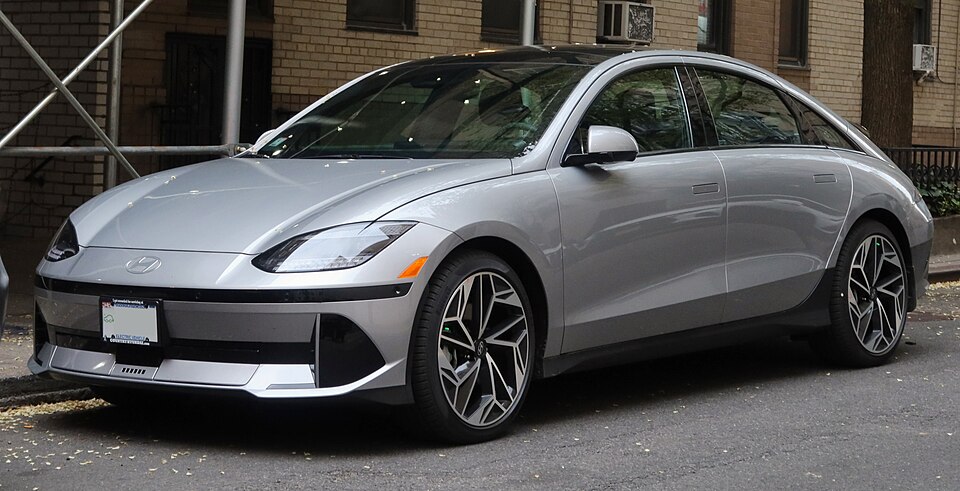
Hyundai Ioniq 6
4 model years from 2023 to 2027, compared on size, efficiency, safety and reliability.
- Model years
- 2023–2027
- Class
- Midsize Cars
- Latest engines
- Electric
- EV range
- up to 361 mi
- Latest rating
- ★★★★★ (2025)
- Recalls
- 6 campaigns, all years
- Most complaints
- 2023 (56)
- Interest
- 7,028 Wikipedia views / 30 days
The 2025 Ioniq 6 in brief
The 2025 Hyundai Ioniq 6 is a midsize car powered by electricity and rear-wheel drive and all-wheel drive.
It measures about 191 inches long and 74 inches wide on a 116-inch wheelbase, with a curb weight of roughly 4,462 lb (4dr Sedan AWD).
The electric version has an EPA-rated range of up to 342 miles and takes about 6.1 hours to charge on a 240-volt Level 2 charger.
In NHTSA crash testing it earned the top 5-star overall rating.
It has 3 recall campaigns on file and owners have filed 37 complaints with NHTSA since 2015, most often about the electrical system.
The Hyundai Ioniq 6 has 4 model years in our data, from 2023 to 2027.
Owners most often report problems with the electrical system (74), unknown or other (25), power train (18).
Buying used? 2024 has the fewest problems in our data.
2024 has the most recalls (5); all years together count 6 campaigns and 131 owner complaints.
How the 2023 Ioniq 6 compares
The 2023 Hyundai Ioniq 6 is a midsize car powered by electricity and rear-wheel drive and all-wheel drive.
It measures about 191 inches long and 74 inches wide on a 116-inch wheelbase, with a curb weight of roughly 4,462 lb (4dr Sedan AWD).
About the Hyundai Ioniq 6
The Hyundai Ioniq 6 is a battery electric mid-size fastback sedan produced by Hyundai Motor Company. It is the second vehicle marketed under the electric car-focused Ioniq sub-brand after the Ioniq 5, and the fourth model developed on the Hyundai Electric Global Modular Platform (E-GMP). The vehicle was first sold in South Korea in late 2022, with deliveries in the United States beginning in March 2023.
From the Wikipedia article "Hyundai Ioniq 6", licensed under CC BY-SA 4.0.
2025 Ioniq 6 pros & cons
Full 2025 details →What's good
- Long EV rangeUp to 342 miles on a charge (EPA).
- AWD / 4WD available
- 5-star NHTSA safety ratingTop overall score in federal crash tests.
- Lots of standard safety tech5 of 5 key driver aids standard on the versions we checked.
Watch out for
No weak spots against similar models in the data.
Best and worst years to buy used
2024 Ioniq 6
38 owner complaints · 5 recalls · 2 crash reports
NHTSA overall: ★★★★★
None of the 2 model years we compared stands out for complaints or recalls.
NHTSA recalls and complaints for 2 model years since 2015; use it alongside a pre-purchase inspection. How we calculate this →
Compare head to head
Ioniq 6 changes by model year
Years without a measurable change are left out.
Show all 4 model years side by side
Alternatives to the 2025 Ioniq 6
| Model | Best MPG / range | NHTSA overall | Recalls |
|---|---|---|---|
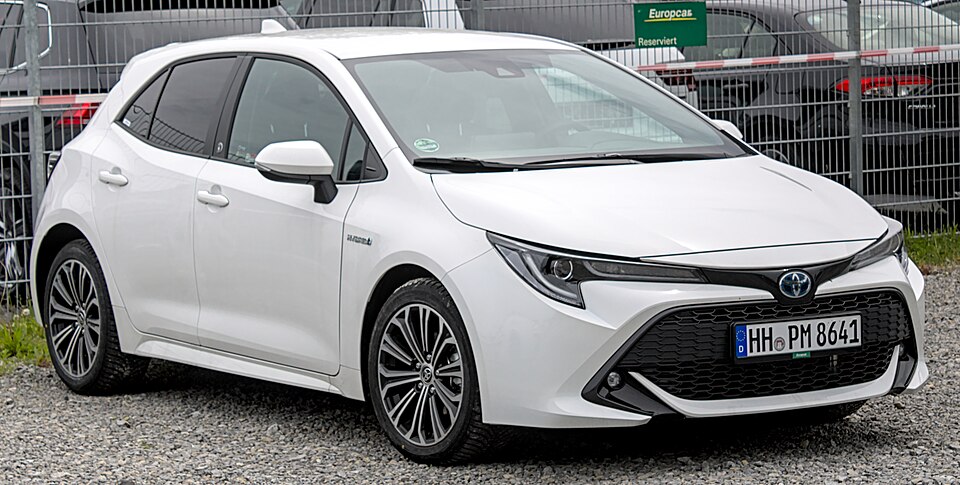
| 2025 Toyota Corolla | 50 MPG | ★★★★★ | 1 |
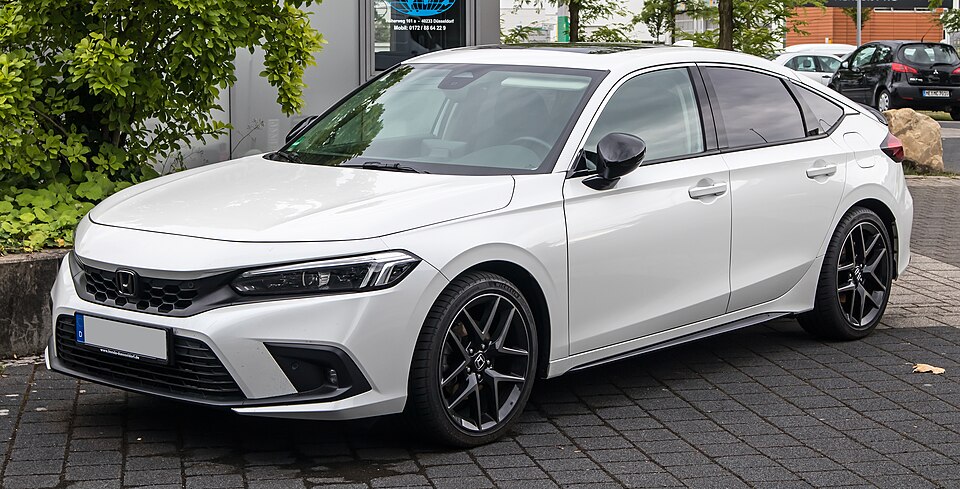
| 2025 Honda Civic | 49 MPG | Not rated | 2 |
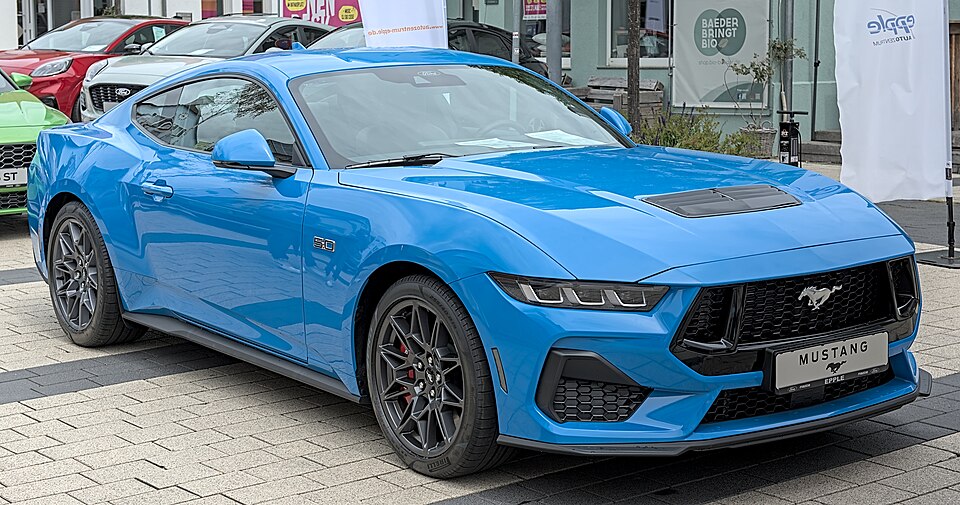
| 2025 Ford Mustang | 26 MPG | ★★★★★ | 6 |
| 2025 Honda Accord | 48 MPG | Not rated | 3 |
| 2025 Toyota Crown | 41 MPG | Not rated | 3 |
| 2025 Toyota Camry | 51 MPG | Not rated | 6 |
Most common owner-reported problems
Sources: EPA, NHTSA, Transport Canada, Wikipedia, Wikimedia Commons. Not affiliated with NHTSA, the EPA or Hyundai. How we calculate this →