 DecodedCars
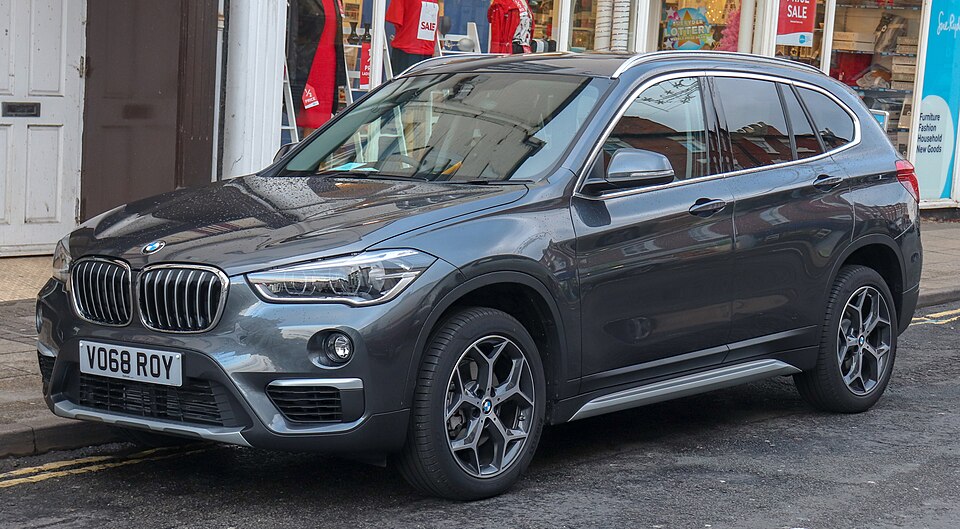
BMW X1
15 model years from 2013 to 2027, compared on size, efficiency, safety and reliability.
- Model years
- 2013–2027
- Class
- Small Sport Utility Vehicle 4WD, Large Cars
- Latest engines
- 2.0L 4-cyl turbo
- Best MPG
- 25–28 combined, by year
- Latest rating
- Not rated
- Recalls
- 27 campaigns, all years
- Most complaints
- 2017 (164)
- Fewest problems
- 2021
- Interest
- 12,177 Wikipedia views / 30 days
The 2026 X1 in brief
The 2026 BMW X1 is a small SUV offered with a 2.0L 4-cyl turbo engine and all-wheel drive.
It measures about 177 inches long and 73 inches wide on a 106-inch wheelbase, with a curb weight of roughly 3,827 lb (M35i Xdrive 4dr SUV).
EPA rates its most efficient version at 28 MPG combined (25 city / 34 highway), 8% better than the 2026 small SUV average of 25.9 MPG, for an estimated $2,950 a year in fuel.
It has 2 recall campaigns on file and owners have filed 1 complaint with NHTSA since 2015, most often about the service brakes.
The BMW X1 has 15 model years in our data, from 2013 to 2027, classed as Small Sport Utility Vehicle 4WD, Large Cars.
Its most efficient year was 2027 at 28 MPG combined; across all years the best version ranged from 25 to 28 MPG.
Owners most often report problems with the unknown or other (176), electrical system (158), air bags (123).
Buying used? 2022 has the fewest problems in our data, and 2016 is the year to avoid.
2023 has the most recalls (6); all years together count 27 campaigns and 839 owner complaints.
How the 2013 X1 compares
The 2013 BMW X1 is a large car offered with 2 engines (2.0L 4-cyl turbo and 3.0L 6-cyl turbo) and rear-wheel drive and all-wheel drive.
It measures about 175 inches long and 71 inches wide on a 109-inch wheelbase, with a curb weight of roughly 3,726 lb (Xdrive28i 4dr SUV).
About the BMW X1
The BMW X1 is a line of cars produced by German marque BMW since 2009. It is in the subcompact luxury crossover class, and the first-generation X1 was based on the E90 3 Series and offered rear-wheel drive layout as standard. The X1 essentially is aiming at a wider range of customers due to its smaller size, increased efficiency, and a lower price tag due to the all-wheel drive layout (xDrive) being optional.
From the Wikipedia article "BMW X1", licensed under CC BY-SA 4.0.
2026 X1 pros & cons
Full 2026 details →What's good
Nothing stands out against similar models in the data.
Watch out for
- Premium fuel requiredEvery gasoline version is rated for premium, which raises running costs.
Best and worst years to buy used
2022 X1
1 owner complaint · 2 recalls
Year to avoid2016 X1
163 owner complaints · 4 recalls · 2 fire reports · 2 crash reports
Most reported: Unknown Or Other
NHTSA recalls and complaints for 10 model years since 2015; use it alongside a pre-purchase inspection. How we calculate this →
Compare head to head
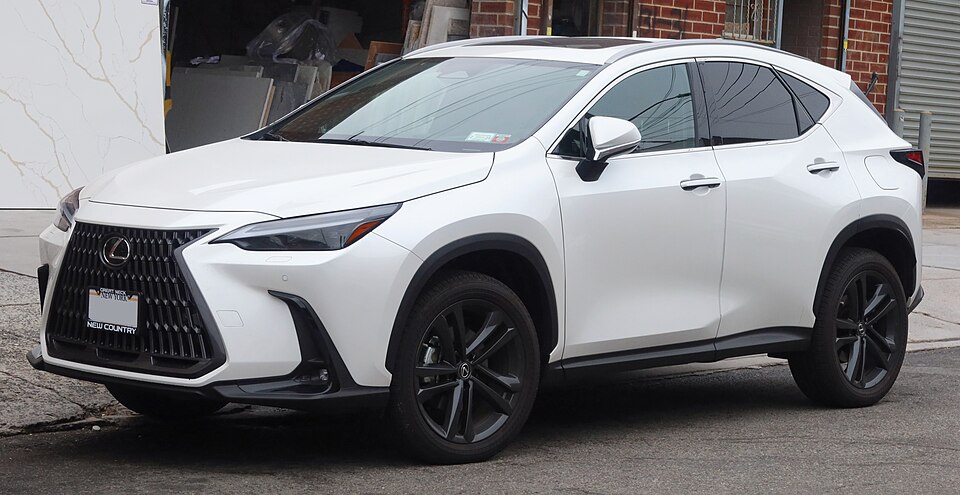
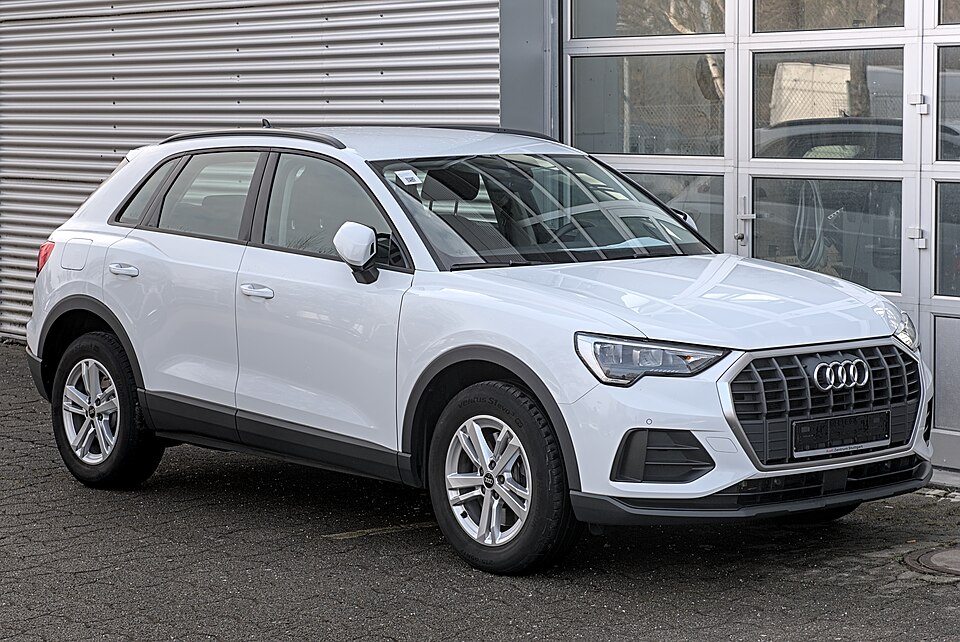
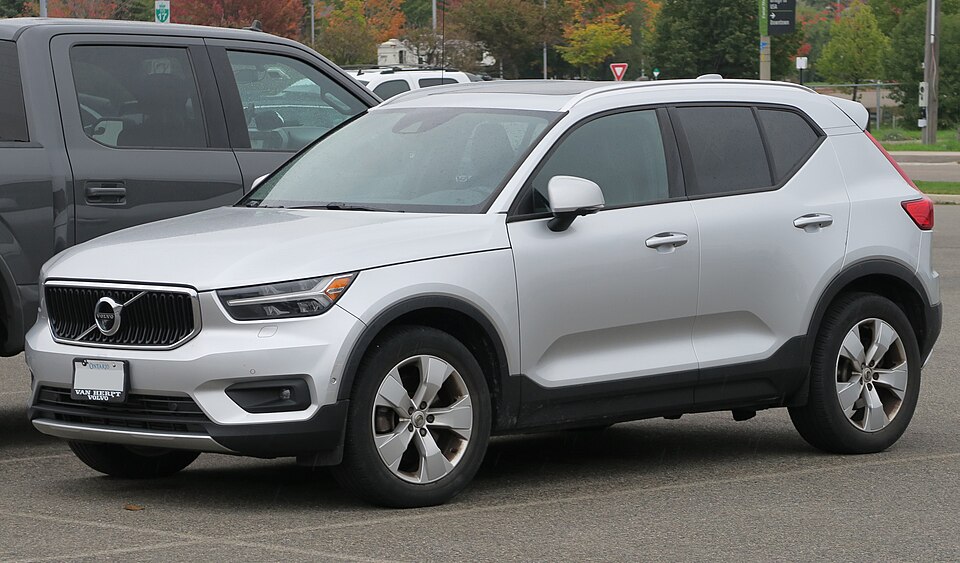
X1 changes by model year
- 2023
- New body dimensions: 2.4 in longer — most likely a redesign or new generation
- 2016
- New body dimensions: 0.4 in shorter, wheelbase −3.6 in — most likely a redesign or new generation
- Engine dropped: 3.0L 6-cyl turbo
Years without a measurable change are left out.
Show all 15 model years side by side
| Year | Latest engines | Best MPG / range | Length | Weight | Overall | Recalls | Complaints |
|---|---|---|---|---|---|---|---|
| 2027 | 2.0L 4-cyl turbo | 28 MPG | – | – | Not rated | 0 | 0 |
| 2026 | 2.0L 4-cyl turbo | 28 MPG | 177.2 in | 3,827 lb | Not rated | 2 | 1 |
| 2025 | 2.0L 4-cyl turbo | 28 MPG | 177.2 in | 3,814 lb | Not rated | 3 | 17 |
| 2024 | 2.0L 4-cyl turbo | 28 MPG | 177.2 in | 3,814 lb | Not rated | 3 | 30 |
| 2023 | 2.0L 4-cyl turbo | 28 MPG | 177.2 in | 3,814 lb | Not rated | 6 | 70 |
| 2022 | 2.0L 4-cyl turbo | 27 MPG | 174.8 in | 3,660 lb | Not rated | 2 | 1 |
| 2021 | 2.0L 4-cyl turbo | 27 MPG | 174.8 in | 3,660 lb | Not rated | 1 | 10 |
| 2020 | 2.0L 4-cyl turbo | 27 MPG | 174.8 in | 3,660 lb | Not rated | 1 | 13 |
| 2019 | 2.0L 4-cyl turbo | 26 MPG | 174.8 in | 3,660 lb | Not rated | 3 | 13 |
| 2018 | 2.0L 4-cyl turbo | 26 MPG | 174.8 in | 3,660 lb | Not rated | 4 | 60 |
| 2017 | 2.0L 4-cyl turbo | 26 MPG | 174.8 in | 3,660 lb | Not rated | 4 | 164 |
| 2016 | 2.0L 4-cyl turbo | 25 MPG | 174.8 in | 3,660 lb | Not rated | 4 | 163 |
| 2015 | 2.0L 4-cyl turbo, 3.0L 6-cyl turbo | 26 MPG | 175.2 in | 3,726 lb | Not rated | 4 | 94 |
| 2014 | 2.0L 4-cyl turbo, 3.0L 6-cyl turbo | 26 MPG | 175.2 in | 3,726 lb | Not rated | 6 | 111 |
| 2013 | 2.0L 4-cyl turbo, 3.0L 6-cyl turbo | 27 MPG | 175.2 in | 3,726 lb | Not rated | 5 | 92 |
Alternatives to the 2026 X1
| Model | Best MPG / range | NHTSA overall | Recalls |
|---|---|---|---|
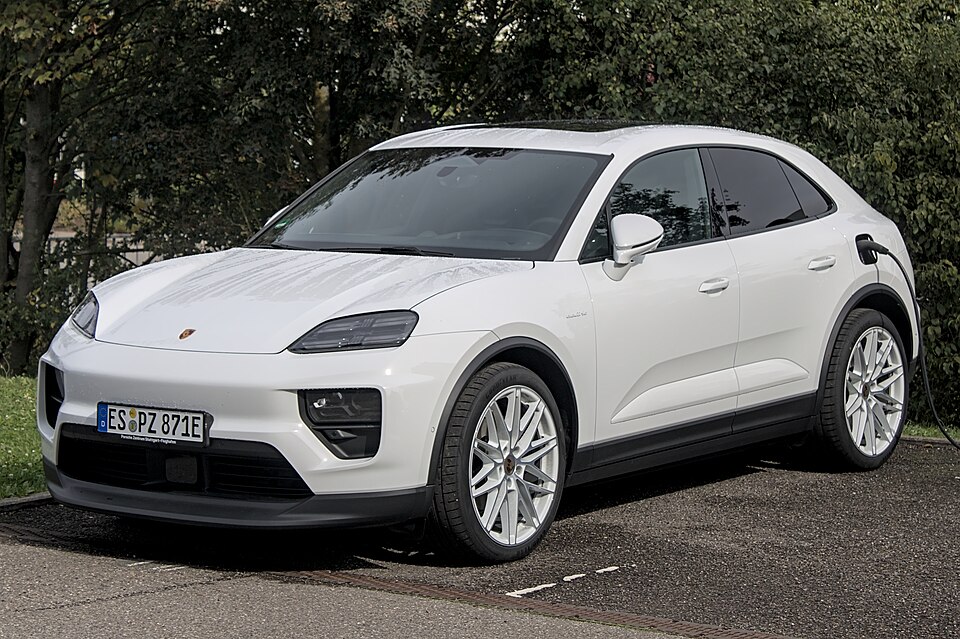
| 2026 Porsche Macan | 21 MPG | Not rated | 0 |
| 2026 Audi Q5 | 24 MPG | Not rated | 0 |
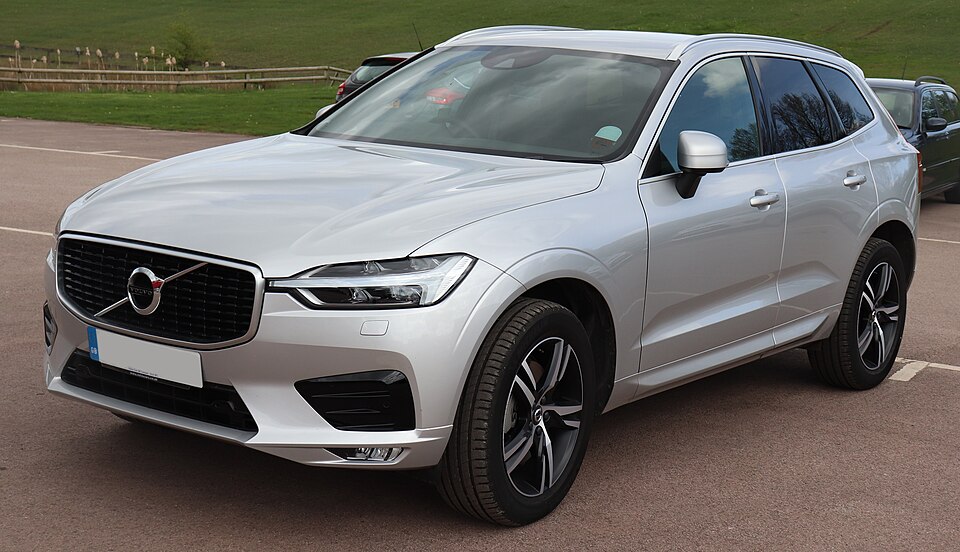
| 2026 Volvo XC60 | 28 MPG | Not rated | 3 |
| 2026 Lexus NX | 40 MPG | Not rated | 0 |
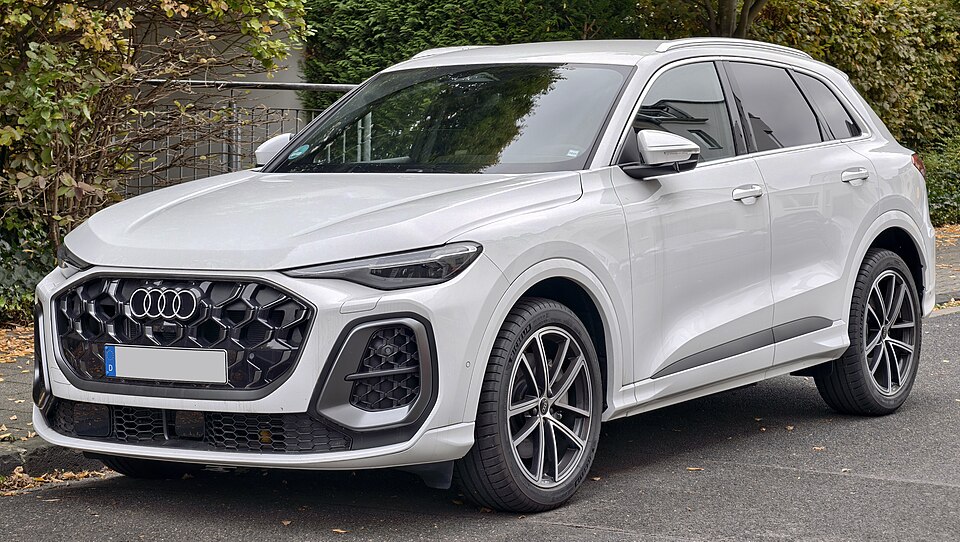
| 2026 Audi Q3 | 25 MPG | Not rated | 1 |
| 2026 Volvo XC40 | 27 MPG | Not rated | 0 |
Most common owner-reported problems
Sources: EPA, NHTSA, Transport Canada, Wikipedia, Wikimedia Commons. Not affiliated with NHTSA, the EPA or BMW. How we calculate this →