 DecodedCars
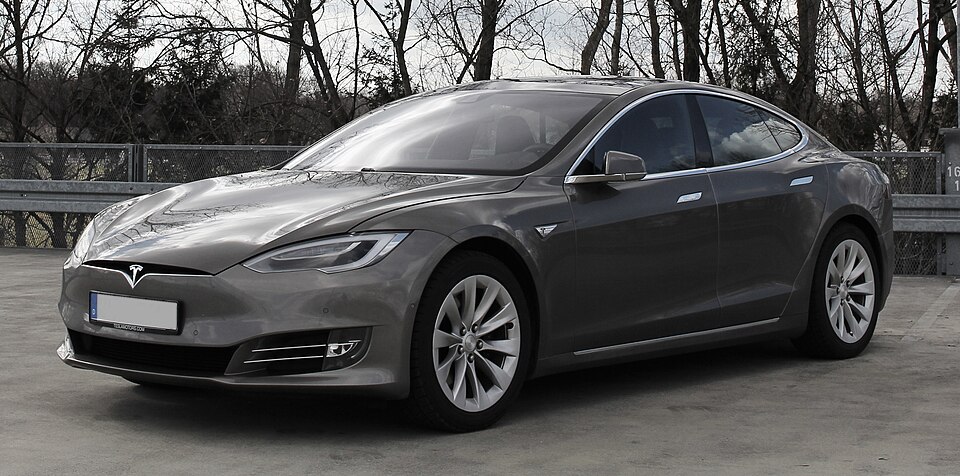
2013 Tesla Model S
Trims, performance, features, fuel economy, safety and known problems — with the pros and cons against similar 2013 models.
- Class
- Large Cars
- Body styles
- MODEL S
- Engines
- Electric motor
- Drivetrain
- Rear-Wheel Drive
- Fuel
- EV
- EV range
- 265 mi · 6 h on 240 V
- Length
- 195.7 in
- Curb weight
- 4,751 lb
- NHTSA rating
- Not rated
- Recalls
- 11 campaigns
Pros & cons
What's good
Nothing stands out against similar models in the data.
Watch out for
- Many owner complaints433 complaints filed with NHTSA versus about 14 for similar models — most often about the electrical system.
- 11 recallsMore than similar models (about 3). Confirm repairs with the VIN.
Calculated from EPA, NHTSA and vPIC data against 31 similar 2013 models — not a review. How we calculate this →
Overview
The 2013 Tesla Model S is a large car powered by electricity and rear-wheel drive.
It measures about 196 inches long and 77 inches wide on a 117-inch wheelbase, with a curb weight of roughly 4,751 lb.
The electric version has an EPA-rated range of up to 265 miles and takes about 6 hours to charge on a 240-volt Level 2 charger.
NHTSA has not published a 5-Star overall rating for this model year.
It has 11 recall campaigns on file and owners have filed 433 complaints with NHTSA since 2015, most often about the electrical system.
What changed for 2013
No changes to engines, powertrains, drivetrains, size, EPA ratings or NHTSA crash rating compared with the 2012 Model S — a carry-over year in the data.
Compared with 2012; trim, feature and price changes aren't covered. See the 2012 Model S →
Trims, performance & features
Trims
Built in: Fremont, California
NHTSA vPIC, as reported by the manufacturer for 5 2013 Model S configurations; may not list every trim. How we calculate this →
Dimensions & weight
| Body | Length | Width | Height | Wheelbase | Track F / R | Curb weight | Weight F/R |
|---|---|---|---|---|---|---|---|
| MODEL S | 195.7 in | 77.2 in | 56.7 in | 116.5 in | 65.4 / 66.9 in | 4,751 lb | 47/53 |
Transport Canada CVS (Open Government Licence – Canada), Canadian-market figures.
Will it fit your garage? Check with your measurements →Engines, MPG & running costs
| Version | Engine | Transmission | Drive | City / Hwy / Comb | vs. class | Fuel / yr | CO₂ g/mi |
|---|---|---|---|---|---|---|---|
| Model S (60 kW-hr battery pack) EV | 225 kW AC Induction | Automatic (A1) | Rear-Wheel Drive | 208 mi · 35 kWh/100mi | – | $800 | – |
| Model S (40 kW-hr battery pack) EV | 225 kW AC Induction | Automatic (A1) | Rear-Wheel Drive | 139 mi · 36 kWh/100mi | – | $800 | – |
| Model S (85 kW-hr battery pack) EV | 270 kW AC Induction | Automatic (A1) | Rear-Wheel Drive | 265 mi · 38 kWh/100mi | – | $850 | – |
EPA estimates; "vs. class" is combined MPG against the 2013 EPA class average. How we calculate this →
Safety ratings & technology
NHTSA has not published 5-Star ratings for the 2013 Tesla Model S.
Similar 2013 large cars
| Model | Best MPG / range | NHTSA overall | Recalls |
|---|---|---|---|
| 2013 Tesla Model S (this car) | 265 mi | Not rated | 11 |
| 2013 BMW 5 Series | 27 MPG | Not rated | 0 |
| 2013 Mercedes-Benz E-Class | 26 MPG | Not rated | 0 |
| 2013 Mercedes-Benz S-Class | 21 MPG | Not rated | 0 |
| 2013 BMW 7 Series | 25 MPG | Not rated | 0 |
| 2013 Audi A6 | 28 MPG | Not rated | 6 |
| 2013 Lexus LS | 20 MPG | Not rated | 1 |
Recalls (11)
Seat Belts › Front › Warning Light/Devices · May 28, 2024
NHTSA campaign 24V376000 · 125,233 vehicles
- Problem
- Tesla, Inc. (Tesla) is recalling certain 2012-2024 Model S, 2015-2024 Model X, 2017-2023 Model 3, and 2020-2023 Model Y vehicles. In the event of an unbelted driver, the seat belt warning light and audible chime may not activate as intended. As such, these vehicles fail to comply with the requirements of Federal Motor Vehicle Safety Standard number 208, "Occupant Crash Protection."
- Risk
- A seat belt warning system that fails to alert occupants of an unbelted seat belt can increase the risk of injury during a crash.
- Fix
- Tesla will release an over-the-air (OTA) software update. Owner notification letters were mailed July 26, 2024. Owners may contact Tesla customer service at 1-877-798-3752. Tesla's number for this recall is SB-24-00-008.
Electrical System › Software · Feb 27, 2024
NHTSA campaign 24V153000 · 6,557 vehicles
- Problem
- Tesla, Inc. (Tesla) is recalling certain 2013, 2018-2021 Model S, 2020-2021 Model X, 2018-2022 Model 3, and 2020-2022 Model Y vehicles. A factory reset muted the Pedestrian Warning System (PWS) sounds. As such, these vehicles fail to comply with the requirements of Federal Motor Vehicle Safety Standard number 141, "Minimum Sound Requirements for Hybrid and Electric Vehicles."
- Risk
- Pedestrians may be unaware of an approaching vehicle if the PWS sounds are muted, increasing the risk of a crash.
- Fix
- Tesla released an over-the-air (OTA) software update, release 2023.44.30.14, free of charge. Owner notification letters were mailed April 27, 2024. Owners may contact Tesla customer service at 1-877-798-3752. Tesla's number for this recall is SB-24-00-006.
Electrical System › Instrument Cluster/Panel · Jan 30, 2024
NHTSA campaign 24V051000 · 2,193,869 vehicles
- Problem
- Tesla, Inc. (Tesla) is recalling certain 2012-2023 Model S, 2016-2024 Model X, 2017-2023 Model 3, 2019-2024 Model Y, and 2024 Cybertruck vehicles. An incorrect font size is displayed on the instrument panel for the Brake, Park, and Antilock Brake System (ABS) warning lights. As such, these vehicles fail to comply with the requirements of Federal Motor Vehicle Safety Standard number 105, "Hydraulic and Electric Brake Systems" and 135, "Light Vehicle Brake Systems."
- Risk
- Warning lights with a smaller font size can make critical safety information on the instrument panel difficult to read, increasing the risk of a crash.
- Fix
- Tesla began releasing an over-the-air (OTA) software update, free of charge. Owners may contact Tesla customer service at 1-877-798-3752. Tesla's number for this recall is SB-24-00-003.
Electrical System › Adas › Driver Monitoring › Software · Dec 12, 2023
NHTSA campaign 23V838000 · 2,031,220 vehicles
- Problem
- Tesla, Inc. (Tesla) is recalling 2012-2023 Model S, 2016-2023 Model X, 2017-2023 Model 3, and 2020-2023 Model Y vehicles equipped with all versions of Autosteer leading up to the version(s) that contains the recall remedy. In certain circumstances when Autosteer is engaged, the prominence and scope of the feature's controls may not be sufficient to prevent driver misuse of the SAE Level 2 advanced driver-assistance feature.
- Risk
- In certain circumstances when Autosteer is engaged, and the driver does not maintain responsibility for vehicle operation and is unprepared to intervene as necessary or fails to recognize when Autosteer is canceled or not engaged, there may be an increased risk of a crash.
- Fix
- Tesla will release an over-the-air (OTA) software update, free of charge. Owner notification letters were mailed February 10, 2024. Owners may contact Tesla customer service at 1-877-798-3752. Tesla's number for this recall is SB-23-00-008.
Visibility › Defroster/Defogger/Hvac System · Jan 29, 2021
NHTSA campaign 21V035000 · 134,951 vehicles
- Problem
- Tesla, Inc. (Tesla) is recalling certain 2012-2018 Tesla Model S and 2016-2018 Model X vehicles with a center display equipped with a NVIDIA Tegra 3 processor and an 8GB eMMC NAND flash memory device. When the 8GB eMMC NAND flash memory device for the center display reaches lifetime wear, the eMMC controller will no longer be able to maintain the integrity of the filesystem, causing a failure in some of the center display functions.
- Risk
- The eMMC controller wear-out condition can cause the loss of the rearview camera display, defrost/defog control settings, and exterior turn signal lighting, reducing visibility and increasing the risk of a crash.
- Fix
- Owners should ensure their vehicles are operating firmware release 2020.48.48.12 or newer, which will alert owners if the eMMC is approaching lifetime wear. Tesla will notify owners, and will replace the VCM daughterboard with one containing an enhanced eMMC controller, free of charge. The recall began March 29, 2021. Owners may contact Tesla customer service at 1-877-798-3752. Tesla's number for this recall is SB-21-21-001.
Steering › Electric Power Assist System · Mar 29, 2018
NHTSA campaign 18V204000 · 70,421 vehicles
- Problem
- Tesla, Inc. (Tesla) is recalling certain 2012-2016 Tesla Model S vehicles equipped with Bosch steering racks. The aluminum bolts that attach the power steering gear assist motor to the gear housing may corrode and fracture causing a reduction or complete loss of power steering assist.
- Risk
- Loss of power steering assist would require a higher steering effort, especially at lower speeds, which may increase the risk of a crash.
- Fix
- Tesla will notify owners, and Tesla Service Centers will replace the steering gear mounting bolts and add a corrosion-preventative sealer, free of charge. The recall began May 7, 2019. Owners may contact Tesla customer service at 1-877-798-3752. Tesla's number for this recall is SB-18-32-002.
Air Bags › Frontal › Passenger Side › Inflator Module · Jan 9, 2018
NHTSA campaign 18V031000 · 17,846 vehicles
- Problem
- Tesla, Inc. (Tesla) is recalling all 2013 Model S vehicles equipped with certain air bag inflators assembled as part of the passenger frontal air bag modules used as original equipment or replacement equipment. In the event of a crash necessitating deployment of the passenger frontal air bag, these inflators may explode due to propellant degradation occurring after long-term exposure to absolute humidity and temperature cycling.
- Risk
- An inflator explosion may result in sharp metal fragments striking the driver or other occupants resulting in serious injury or death.
- Fix
- Tesla will notify owners, and Tesla Service Centers will replace the passenger frontal air bag modules, free of charge. The recall is expected to begin in March 2018. Owners may contact Tesla customer service at 1-877-798-3752. Tesla's number for this recall is SB-18-20-001.
Parking Brake · Apr 19, 2017
NHTSA campaign 17V260000 · 31,709 vehicles
- Problem
- Tesla, Inc. (Tesla) is recalling certain 2016 Model S and Model X vehicles. The electric parking brake calipers have an internal gear that may be improperly manufactured, possibly resulting in the gear fracturing during parking brake application or release.
- Risk
- If the gear breaks during parking brake release, the vehicle will not be able to be moved. If the gear breaks during parking brake application, the parking brake may not adequately hold the vehicle, potentially resulting in the vehicle rolling, increasing the risk of a crash.
- Fix
- Tesla will notify owners, and service centers will replace both the left and right electric parking brake calipers, free of charge. The recall began March 6, 2018. Owners may contact Tesla customer service at 1-877-798-3752. Tesla's number for this recall is SB-17-33-002.
Seat Belts › Front · Nov 23, 2015
NHTSA campaign 15V780000 · 59,415 vehicles
- Problem
- Tesla Motors, Inc. (Tesla) is recalling certain model year 2012-2015 Model S vehicles manufactured May 31, 2012, to November 12, 2015. The affected vehicles are equipped with driver or front passenger seat belts that may be improperly connected to the outboard lap pretensioner.
- Risk
- If the seat belt is not correctly attached to the pretensioner, it may not properly restrain the seat occupant in the event of a crash, increasing their risk of injury.
- Fix
- Tesla will notify owners, and service centers will inspect the driver and front passenger seat belts, correcting their connection, as necessary, free of charge. The recall began on December 14, 2015. Owners may contact Tesla customer service at 1-877-798-3752. Tesla's number for this recall is SB-15-20-002.
Electrical System › Propulsion System › Charging › Cable/Cord › Accessory · Jan 13, 2014
NHTSA campaign 14V006000 · 21,081 vehicles
- Problem
- Tesla Motors, Inc. (Tesla) is recalling certain model year 2013 Model S vehicles equipped for, and delivered with, certain NEMA 14-50 (240 volt) Universal Mobile Connector (UMC) adapters. During charging, the adapter, cord, or wall outlet could overheat.
- Risk
- An overheated adapter, cord, or wall outlet increases the risk of burn injury and/or fire.
- Fix
- Tesla will notify owners and provide an over-the-air (OTA) software update. Some owners have already received this update. This update allows the Model S on board charging system to detect any unexpected fluctuations in the input power or higher resistance connections to the vehicle. If detected, the onboard charging system will automatically reduce the charging current by 25%. Tesla owners can verify that they have received the updated software (version 5.8.4 or later) by viewing the vehicle's center information screen. Additionally, Tesla will mail owners a replacement NEMA 14-50 adapter that is equipped with an internal thermal fuse. The recall began on March 14, 2014. Owners may contact Tesla Service Center at 1-877-79-TESLA (1-877-798-3752).
Seats · Jun 14, 2013
NHTSA campaign 13V249000 · 1,228 vehicles
- Problem
- Tesla Motors, Inc. (Tesla) is recalling certain model year 2013 Model S electric vehicles manufactured May 10, 2013, through June 8, 2013. An improper method for aligning the left hand seat back striker to the bracket may have weakened the weld between the bracket and the frame of the vehicle.
- Risk
- In the event of a crash, the left hand seat back may not stay mounted, increasing the risk of injury to passengers.
- Fix
- Tesla will notify owners, and Tesla Service Centers will inspect the left hand second row strikers. Tesla will add additional mounting hardware to ensure a proper joint between the bracket and the frame, free of charge. The recall began on June 24, 2013. Owners may contact Tesla at 1-650-681-5000.
Not every 2013 Tesla Model S is affected — only a VIN check confirms your car.
Owner-reported problems
Unverified owner reports; best-sellers collect more.
Used 2013 Tesla Model S buyer's checklist
- Run the VIN at nhtsa.gov/recalls. 11 recalls this year — ask for proof of repairs.
- Electrical System — 174 owner reports. Test every window, lock, light, screen and USB port; check the battery age.
- Suspension — 92 owner reports. Drive over bumps and listen for clunks; look for uneven tire wear.
- Power Train — 32 owner reports. Test-drive through all gears, including reverse; note slipping, harsh or delayed shifts.
- Mileage to watch. Owners typically reported problems around 70,000 miles; ask what was repaired near that point.
- Battery health. Ask for a battery state-of-health report, check the remaining battery warranty, and compare the displayed range at 100% charge with the EPA's 265 miles.
- Before you pay: service records, a history report and an independent inspection.
Generated by DecodedCars from NHTSA recalls and owner complaints for the 2013 Tesla Model S. Not a substitute for a professional inspection.
Other Model S years
Compare all years →| Year | MPG (best) | Length | Overall | Recalls | Complaints |
|---|---|---|---|---|---|
| 2026 Model S | 410 mi | 195.7 in | Not rated | 0 | 7 |
| 2025 Model S | 410 mi | 195.7 in | Not rated | 2 | 6 |
| 2024 Model S | 402 mi | 195.7 in | Not rated | 6 | 38 |
| 2023 Model S | 405 mi | 195.7 in | Not rated | 13 | 115 |
| 2022 Model S | 405 mi | 195.7 in | Not rated | 20 | 139 |
| 2021 Model S | 405 mi | 195.7 in | Not rated | 23 | 179 |
| 2020 Model S | 402 mi | 195.7 in | Not rated | 11 | 80 |
| 2019 Model S | 370 mi | 195.7 in | Not rated | 10 | 44 |
| 2018 Model S | 335 mi | 195.7 in | Not rated | 11 | 170 |
| 2017 Model S | 335 mi | 195.7 in | Not rated | 9 | 429 |
| 2016 Model S | 315 mi | 195.7 in | Not rated | 10 | 649 |
| 2015 Model S | 270 mi | 195.7 in | Not rated | 9 | 668 |
Sources: EPA, NHTSA, Transport Canada, Wikimedia Commons. Not affiliated with NHTSA, the EPA or Tesla. How we calculate this →