 DecodedCars
Mercedes-Benz GLS-Class
11 model years from 2017 to 2027, compared on size, efficiency, safety and reliability.
- Model years
- 2017–2027
- Class
- Standard Sport Utility Vehicle 4WD
- Latest engines
- 3.0L 6-cyl turbo
- Best MPG
- 18–21 combined, by year
- Latest rating
- Not rated
- Recalls
- 0 campaigns, all years
- Fewest problems
- 2023
The 2026 GLS-Class in brief
The 2026 Mercedes-Benz GLS-Class is a standard SUV offered with 2 engines (3.0L 6-cyl turbo and 4.0L 8-cyl turbo), including a hybrid version and all-wheel drive.
It measures about 206 inches long and 80 inches wide on a 123-inch wheelbase, with a curb weight of roughly 6,074 lb (Amg 63 4matic 4dr SUV).
EPA rates its most efficient version at 21 MPG combined (19 city / 24 highway), 5% better than the 2026 standard SUV average of 20 MPG, for an estimated $3,900 a year in fuel.
There are no recalls or owner complaints on file with NHTSA for this model year.
The Mercedes-Benz GLS-Class has 11 model years in our data, from 2017 to 2027.
Its most efficient year was 2027 at 21 MPG combined; across all years the best version ranged from 18 to 21 MPG.
Buying used? 2024 has the fewest problems in our data.
How the 2017 GLS-Class compares
The 2017 Mercedes-Benz GLS-Class is a standard SUV offered with 3 engines (3.0L 6-cyl turbo, 4.7L 8-cyl turbo and 5.5L 8-cyl turbo) and 4-wheel drive.
It measures about 202 inches long and 76 inches wide on a 121-inch wheelbase, with a curb weight of roughly 5,754 lb (Amg Gls 63 4dr SUV AWD).
2026 GLS-Class pros & cons
Full 2026 details →What's good
- Hybrid version availableOffered as a hybrid as well as gas.
Watch out for
- Premium fuel requiredEvery gasoline version is rated for premium, which raises running costs.
Best and worst years to buy used
2024 GLS-Class
0 owner complaints · 0 recalls
None of the 8 model years we compared stands out for complaints or recalls.
NHTSA recalls and complaints for 8 model years since 2015; use it alongside a pre-purchase inspection. How we calculate this →
Compare head to head
GLS-Class changes by model year
- 2020
- New body dimensions: 3.1 in longer, wheelbase +1.9 in — most likely a redesign or new generation
- New hybrid version
- Engine added: 4.0L 8-cyl turbo
- Engines dropped: 4.7L 8-cyl turbo and 5.5L 8-cyl turbo
- Best combined MPG up from 18 to 21
Years without a measurable change are left out.
Show all 11 model years side by side
| Year | Latest engines | Best MPG / range | Length | Weight | Overall | Recalls | Complaints |
|---|---|---|---|---|---|---|---|
| 2027 | 3.0L 6-cyl turbo | 21 MPG | – | – | Not rated | 0 | 0 |
| 2026 | 3.0L 6-cyl turbo, 4.0L 8-cyl turbo | 21 MPG | 205.9 in | 6,074 lb | Not rated | 0 | 0 |
| 2025 | 3.0L 6-cyl turbo, 4.0L 8-cyl turbo | 21 MPG | 205.9 in | 6,074 lb | Not rated | 0 | 0 |
| 2024 | 3.0L 6-cyl turbo, 4.0L 8-cyl turbo | 21 MPG | 205.1 in | 5,468 lb | Not rated | 0 | 0 |
| 2023 | 3.0L 6-cyl turbo, 4.0L 8-cyl turbo | 20 MPG | 205.1 in | 5,468 lb | Not rated | 0 | 0 |
| 2022 | 3.0L 6-cyl turbo, 4.0L 8-cyl turbo | 20 MPG | 205.1 in | 5,468 lb | Not rated | 0 | 0 |
| 2021 | 3.0L 6-cyl turbo, 4.0L 8-cyl turbo | 21 MPG | 205.1 in | 5,468 lb | Not rated | 0 | 0 |
| 2020 | 3.0L 6-cyl turbo, 4.0L 8-cyl turbo | 21 MPG | 205.1 in | 5,468 lb | Not rated | 0 | 0 |
| 2019 | 3.0L 6-cyl turbo, 4.7L 8-cyl turbo, 5.5L 8-cyl turbo | 18 MPG | 202 in | 5,754 lb | Not rated | 0 | 0 |
| 2018 | 3.0L 6-cyl turbo, 4.7L 8-cyl turbo, 5.5L 8-cyl turbo | 19 MPG | 202 in | 5,754 lb | Not rated | 0 | 0 |
| 2017 | 3.0L 6-cyl turbo, 4.7L 8-cyl turbo, 5.5L 8-cyl turbo | 19 MPG | 202 in | 5,754 lb | Not rated | 0 | 0 |
Alternatives to the 2026 GLS-Class
| Model | Best MPG / range | NHTSA overall | Recalls |
|---|---|---|---|
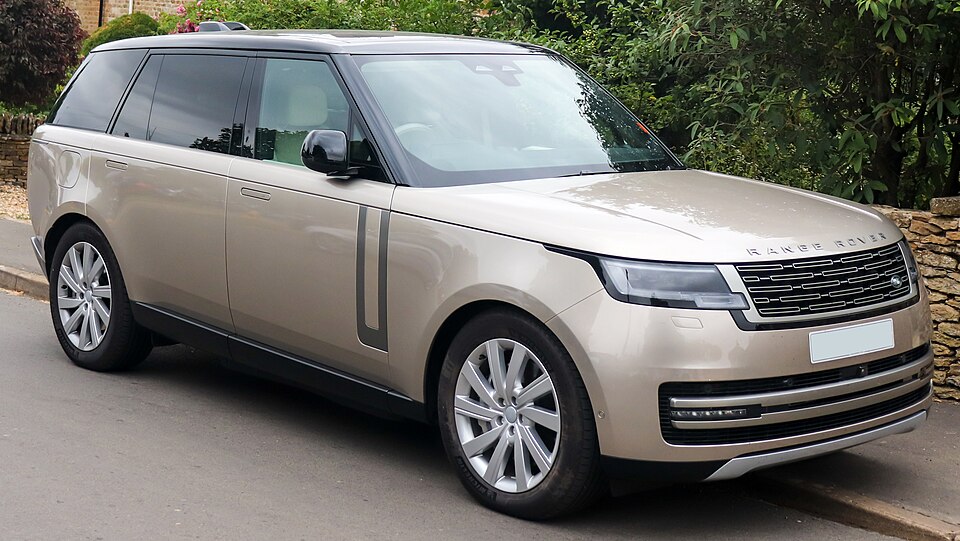
| 2026 Land Rover Range Rover | 23 MPG | Not rated | 5 |
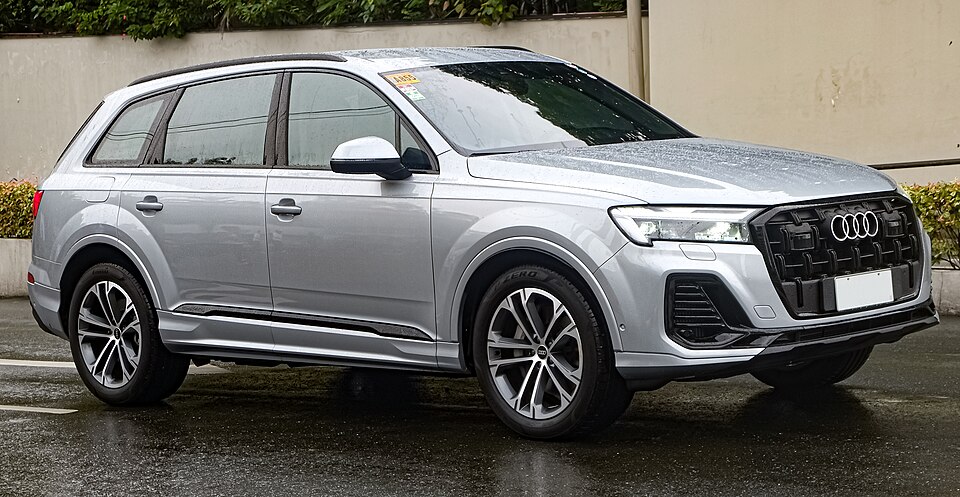
| 2026 Audi Q7 | 22 MPG | Not rated | 1 |
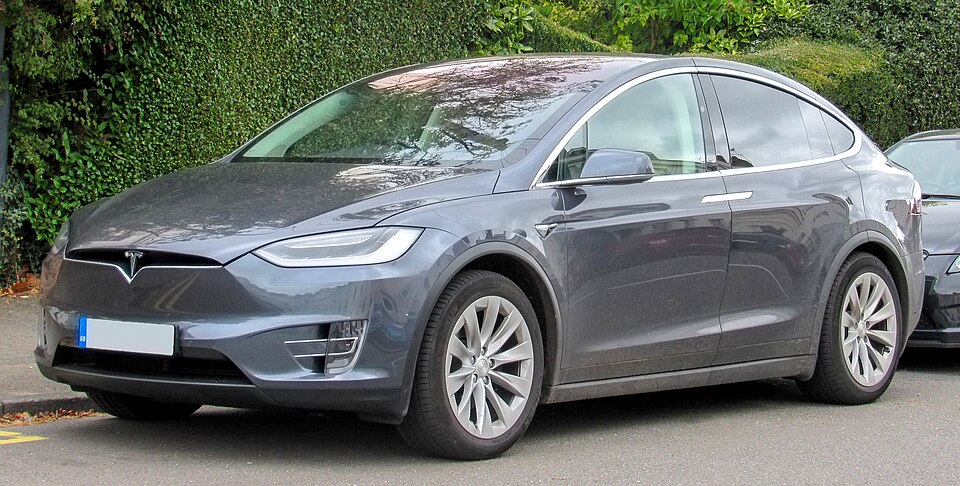
| 2026 Tesla Model X | 352 mi | Not rated | 0 |
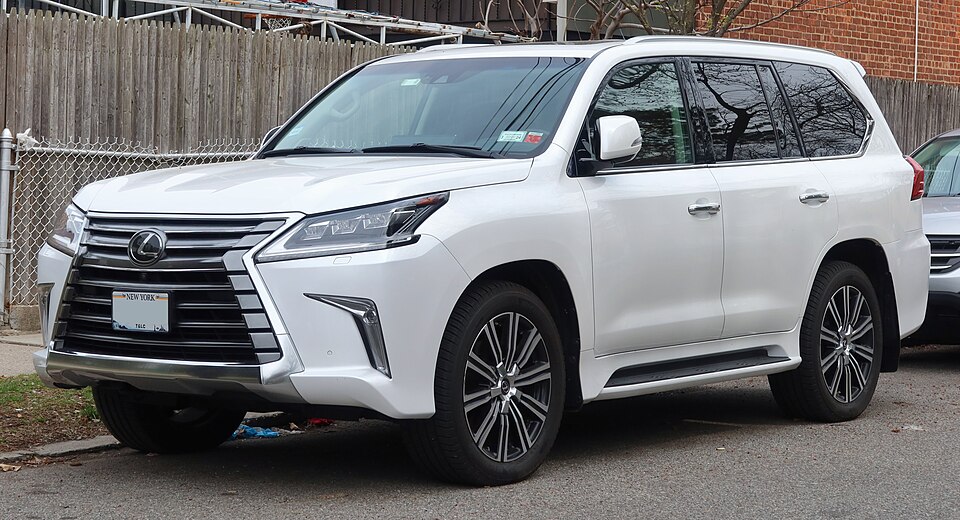
| 2026 Lexus LX | 20 MPG | Not rated | 1 |
| 2026 Lexus GX | 17 MPG | Not rated | 0 |
| 2026 Lincoln Navigator | 17 MPG | Not rated | 2 |
Sources: EPA, NHTSA, Transport Canada, Wikipedia, Wikimedia Commons. Not affiliated with NHTSA, the EPA or Mercedes-Benz. How we calculate this →