 DecodedCars
Honda CR-V vs Toyota bZ
2026 Honda CR-V vs 2026 Toyota bZ — two rivals compared on efficiency, size, safety and reliability.
The short version
That works out to about $1,150 a year less in fuel for the Toyota bZ (EPA estimate, 15,000 miles).
Across all model years since 2005, the Toyota bZ has had fewer recall campaigns (2 vs 60).
The two cars
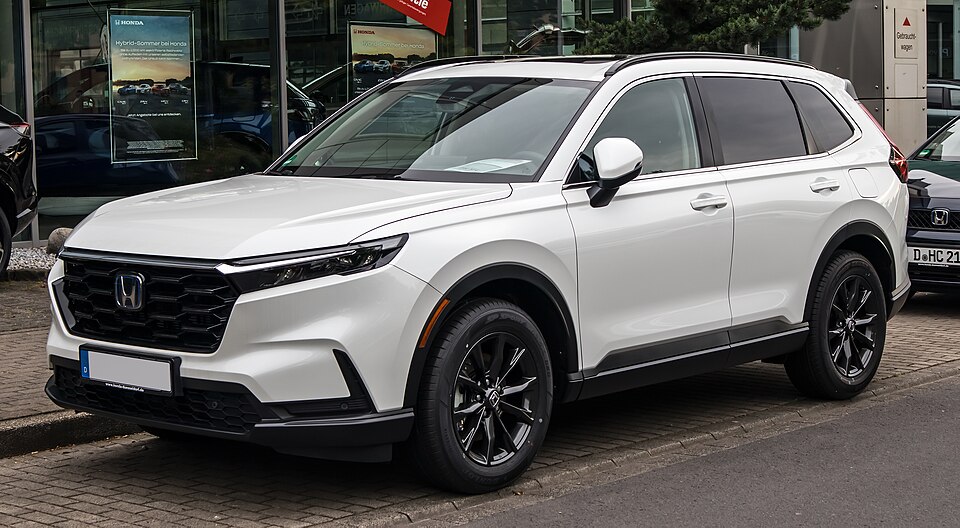
The 2026 Honda CR-V is a midsize station wagon offered with 2 engines (2.0L 4-cyl and 1.5L 4-cyl turbo), including a hybrid version and front-wheel drive and all-wheel drive. It measures about 185 inches long and 74 inches wide on a 106-inch wheelbase, with a curb weight of roughly 3,635 lb (4dr SUV AWD).
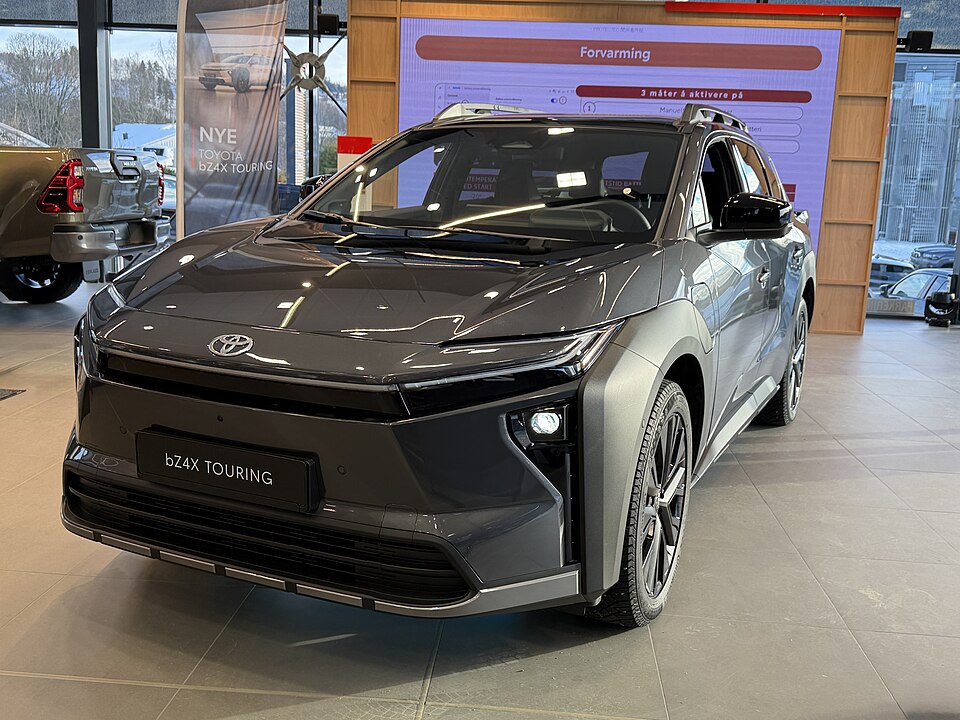
The 2026 Toyota bZ is a small SUV powered by electricity and front-wheel drive and all-wheel drive. It measures about 185 inches long and 73 inches wide on a 112-inch wheelbase, with a curb weight of roughly 4,464 lb (4dr SUV AWD).
Basics
Efficiency
Performance & space
Safety & reliability
Interest
Green = clearly better. Prices are not included. How we calculate this →
Which one should you choose?
Choose the Honda CR-V if…
- You want more power (up to 190 vs 165 hp)
Choose the Toyota bZ if…
- You want an EV with more range (314 miles)
- You put reliability history first (2 vs 60 recalls since 2005)
Pros & cons of each
2026 Honda CR-V
- Excellent fuel economyUp to 40 MPG combined — 56% better than the average 2026 midsize station wagon (25.7 MPG).
- Hybrid version availableOffered as a hybrid as well as gas.
- AWD / 4WD available
- Lots of standard safety tech5 of 5 key driver aids standard on the versions we checked.
2026 Toyota bZ
- Long EV rangeUp to 314 miles on a charge (EPA).
- AWD / 4WD available
- Lots of standard safety tech5 of 5 key driver aids standard on the versions we checked.
- Modest powerUp to 165 hp, versus about 210 hp for similar 2026 models.
Full 2026 Honda CR-V specs →Full 2026 Toyota bZ specs →Compare fuel costs for your driving →Compare size & garage fit →