 DecodedCars
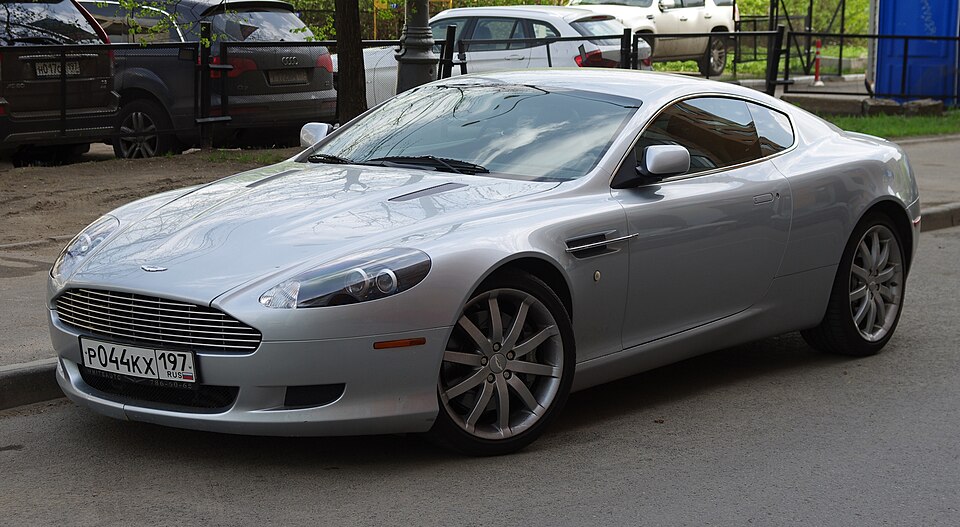
Aston Martin DB9
12 model years from 2005 to 2016, compared on size, efficiency, safety and reliability.
- Model years
- 2005–2016
- Class
- Minicompact Cars
- Latest engines
- 5.9L 12-cyl
- Best MPG
- 13–15 combined, by year
- Latest rating
- Not rated
- Recalls
- 8 campaigns, all years
- Most complaints
- 2015 (2)
- Fewest problems
- 2016
- Interest
- 9,072 Wikipedia views / 30 days
The 2016 DB9 in brief
The 2016 Aston Martin DB9 is a minicompact car offered with a 5.9L 12-cyl engine and rear-wheel drive.
It measures about 185 inches long and 74 inches wide on a 108-inch wheelbase, with a curb weight of roughly 3,880 lb (2dr Coupe RWD).
EPA rates its most efficient version at 15 MPG combined (13 city / 19 highway), 34% worse than the 2016 minicompact car average of 22.7 MPG, for an estimated $5,500 a year in fuel.
NHTSA has not published a 5-Star overall rating for this model year.
It has 1 recall campaign on file.
The Aston Martin DB9 has 12 model years in our data, from 2005 to 2016.
Its most efficient year was 2016 at 15 MPG combined; across all years the best version ranged from 13 to 15 MPG.
Owners most often report problems with the electrical system (3), exterior lighting (2), electrical system › ignition › anti-theft › immobilizer/proximity › key/sender (1).
Buying used? 2016 has the fewest problems in our data, and 2015 is the year to avoid.
2014 has the most recalls (6); all years together count 8 campaigns and 3 owner complaints.
How the 2005 DB9 compares
The 2005 Aston Martin DB9 is a minicompact car offered with a 5.9L 12-cyl engine and rear-wheel drive.
It measures about 185 inches long and 74 inches wide on a 108-inch wheelbase, with a curb weight of roughly 3,770 lb (2dr Coupe RWD).
About the Aston Martin DB9
The Aston Martin DB9 is a two-door grand tourer car that was produced by the British carmaker Aston Martin in Gaydon, Warwickshire. It was manufactured both as a coupé starting in 2004 and a convertible known as the Volante from 2005, until their discontinuation in 2016.
From the Wikipedia article "Aston Martin DB9", licensed under CC BY-SA 4.0.
2016 DB9 pros & cons
Full 2016 details →What's good
Nothing stands out against similar models in the data.
Watch out for
- Below-average fuel economyBest version gets 15 MPG combined, 34% below the 2016 minicompact car average of 22.7 MPG.
- Premium fuel requiredEvery gasoline version is rated for premium, which raises running costs.
Best and worst years to buy used
2016 DB9
0 owner complaints · 1 recall
Year to avoid2015 DB9
2 owner complaints · 2 recalls
Most reported: Exterior Lighting
NHTSA recalls and complaints for 2 model years since 2015; use it alongside a pre-purchase inspection. How we calculate this →
Show all 12 model years side by side
| Year | Latest engines | Best MPG / range | Length | Weight | Overall | Recalls | Complaints |
|---|---|---|---|---|---|---|---|
| 2016 | 5.9L 12-cyl | 15 MPG | 185 in | 3,880 lb | Not rated | 1 | 0 |
| 2015 | 5.9L 12-cyl | 15 MPG | 185 in | 3,880 lb | Not rated | 2 | 2 |
| 2014 | 5.9L 12-cyl | 15 MPG | 185 in | 3,880 lb | Not rated | 6 | 1 |
| 2013 | 5.9L 12-cyl | 15 MPG | 185 in | 3,880 lb | Not rated | 5 | 0 |
| 2012 | 5.9L 12-cyl | 15 MPG | 185 in | 3,880 lb | Not rated | 5 | 0 |
| 2011 | 5.9L 12-cyl | 15 MPG | 185 in | 3,880 lb | Not rated | 4 | 0 |
| 2010 | 5.9L 12-cyl | 15 MPG | 185 in | 3,880 lb | Not rated | 4 | 0 |
| 2009 | 5.9L 12-cyl | 14 MPG | 185 in | 3,880 lb | Not rated | 5 | 0 |
| 2008 | 5.9L 12-cyl | 13 MPG | 185 in | 3,880 lb | Not rated | 4 | 0 |
| 2007 | 5.9L 12-cyl | 13 MPG | 185 in | 3,880 lb | Not rated | 3 | 0 |
| 2006 | 5.9L 12-cyl | 13 MPG | 185 in | 3,770 lb | Not rated | 2 | 0 |
| 2005 | 5.9L 12-cyl | 13 MPG | 185 in | 3,770 lb | Not rated | 1 | 0 |
Alternatives to the 2016 DB9
| Model | Best MPG / range | NHTSA overall | Recalls |
|---|---|---|---|
| 2016 Lamborghini Aventador | 13 MPG | Not rated | 3 |
| 2016 Aston Martin Vanquish | 16 MPG | Not rated | 1 |
| 2016 Ferrari F12 tdf | 14 MPG | Not rated | 2 |
| 2016 Lamborghini Huracan | 17 MPG | Not rated | 2 |
Most common owner-reported problems
Sources: EPA, NHTSA, Transport Canada, Wikipedia, Wikimedia Commons. Not affiliated with NHTSA, the EPA or Aston Martin. How we calculate this →